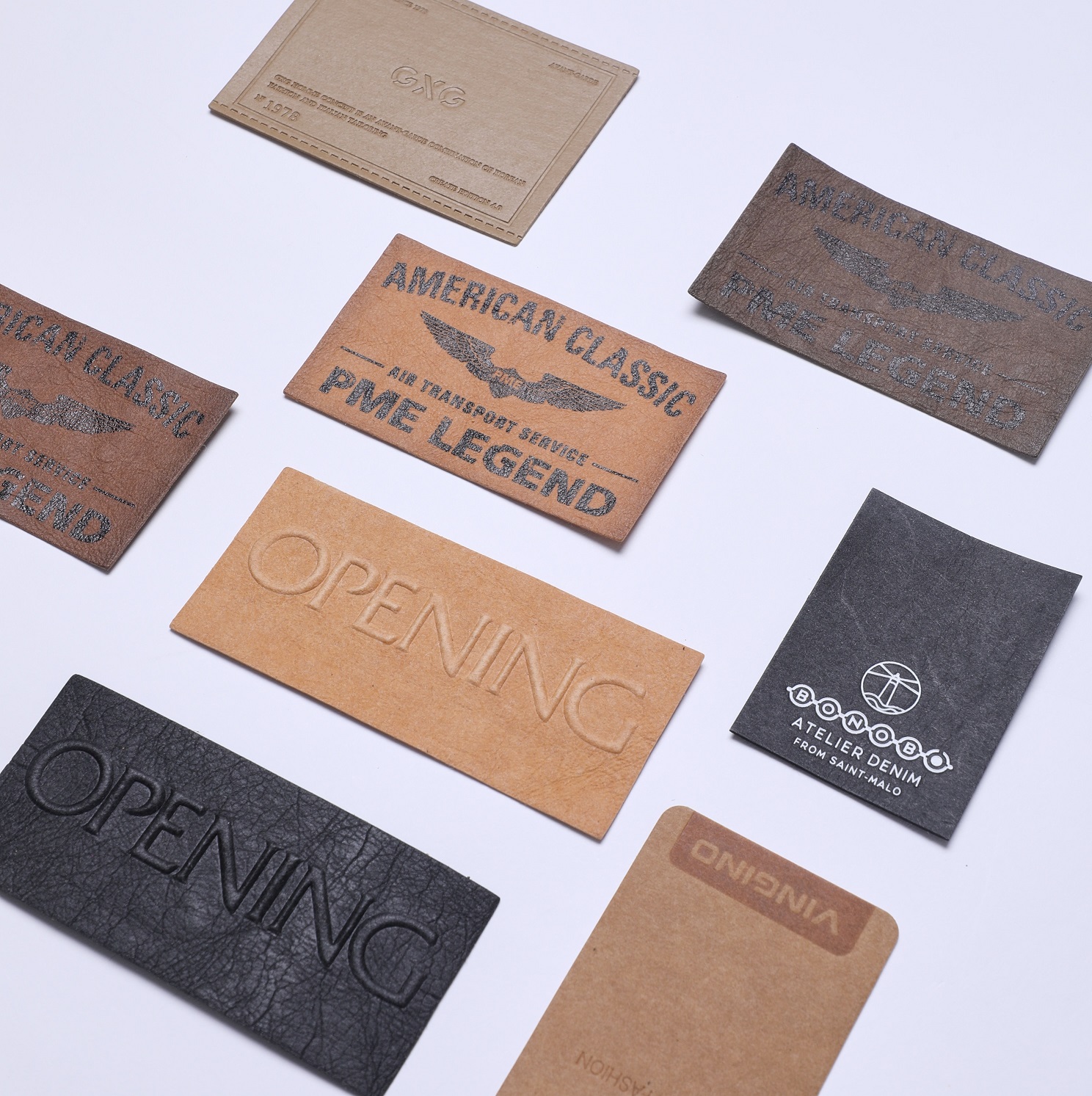
Types and choices of leather patches.
The production process is mostly a composite process, with the most common combination including screen printing, high frequency voltage, hardware, and punching.
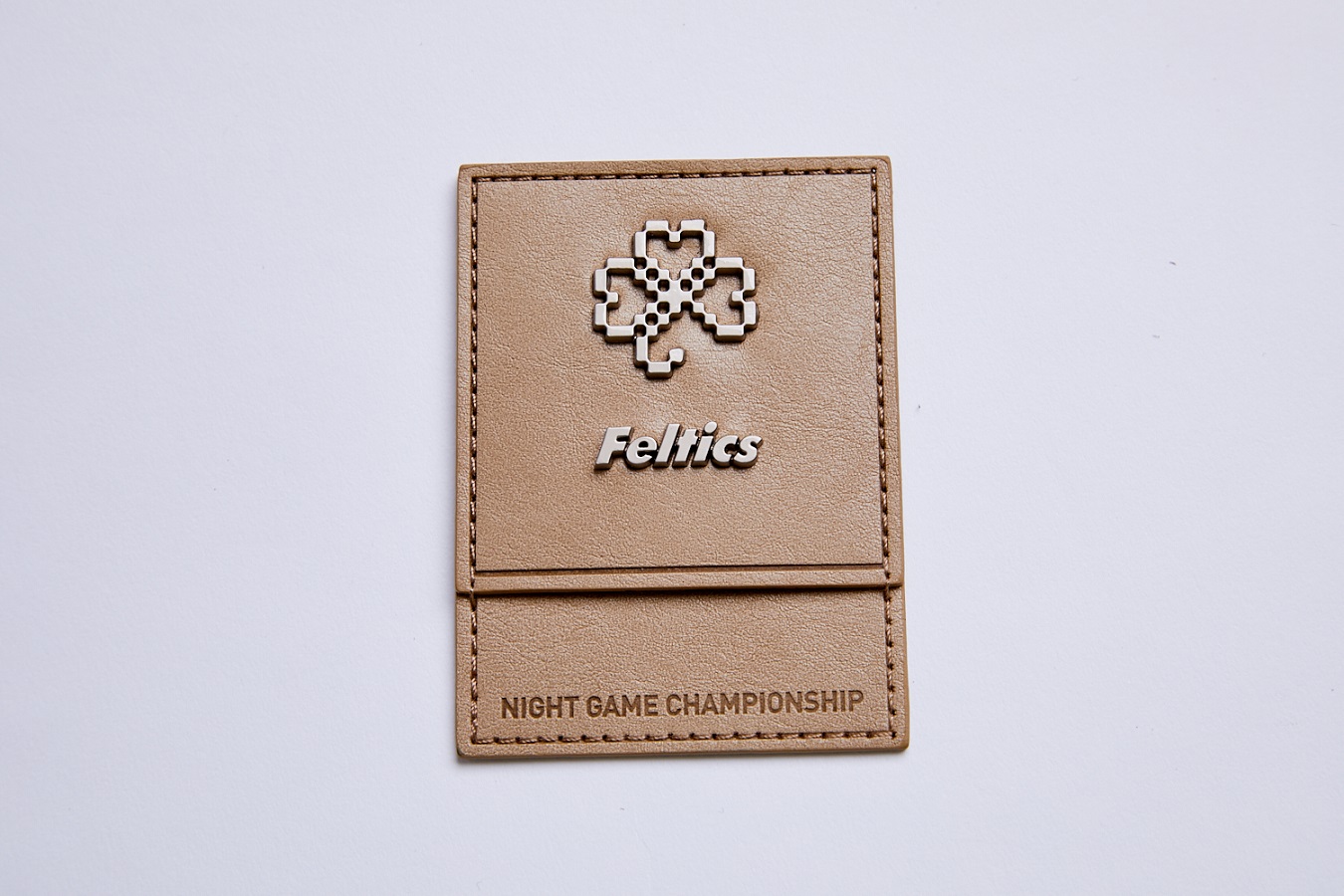
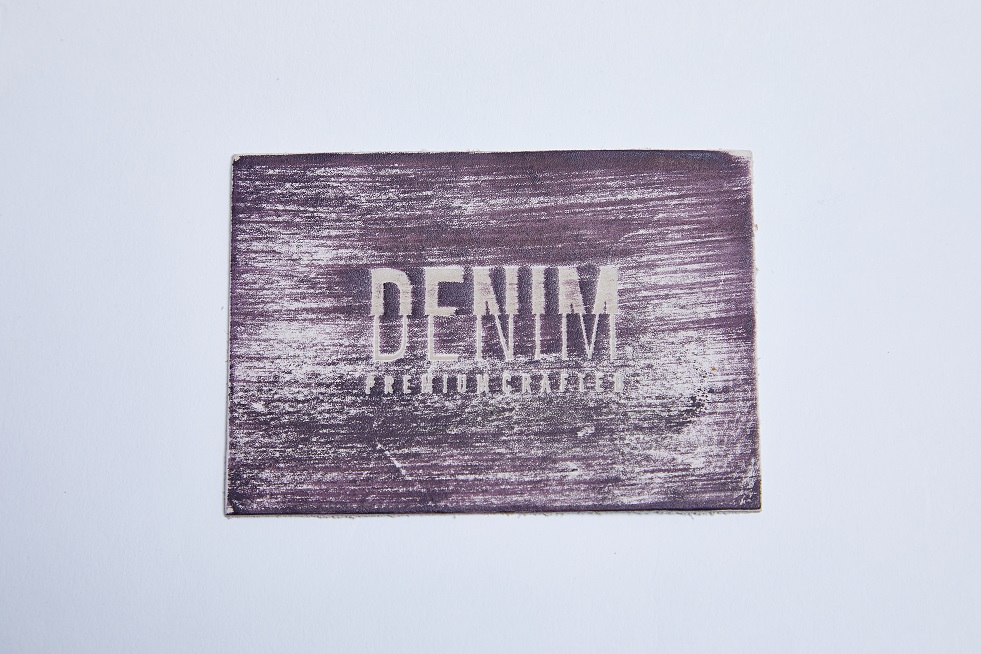
1. Genuine leather
Genuine leather partches have a distinctive texture and natural feel, with each piece having a unique grain. They offer good breathability and moisture absorption, making them comfortable to wear. Natural leather is tough and durable, resisting deformation and lasting a long time. Genuine leather is a natural material that is biodegradable and environmentally friendly, with a premium appearance often used in high-end brands and luxury items. However, due to the scarcity of raw materials and complex processing, the cost is relatively high. Regular care is needed to avoid contact with water and chemicals, which could damage the leather.
2. Faux leather
Faux leather patches are made from synthetic materials, making them cost-effective and suitable for mass production. They can achieve a wide range of colors and patterns through dyeing and printing techniques. The smooth surface is easy to clean and maintain, and they resist fading. The manufacturing process allows for consistent texture and color, making them ideal for standardized production. Some faux leather materials are made from eco-friendly materials, reducing harm to animals. However, faux leather has a slightly harder and less natural feel compared to genuine leather, and its durability is lower, potentially leading to cracking or peeling over time.
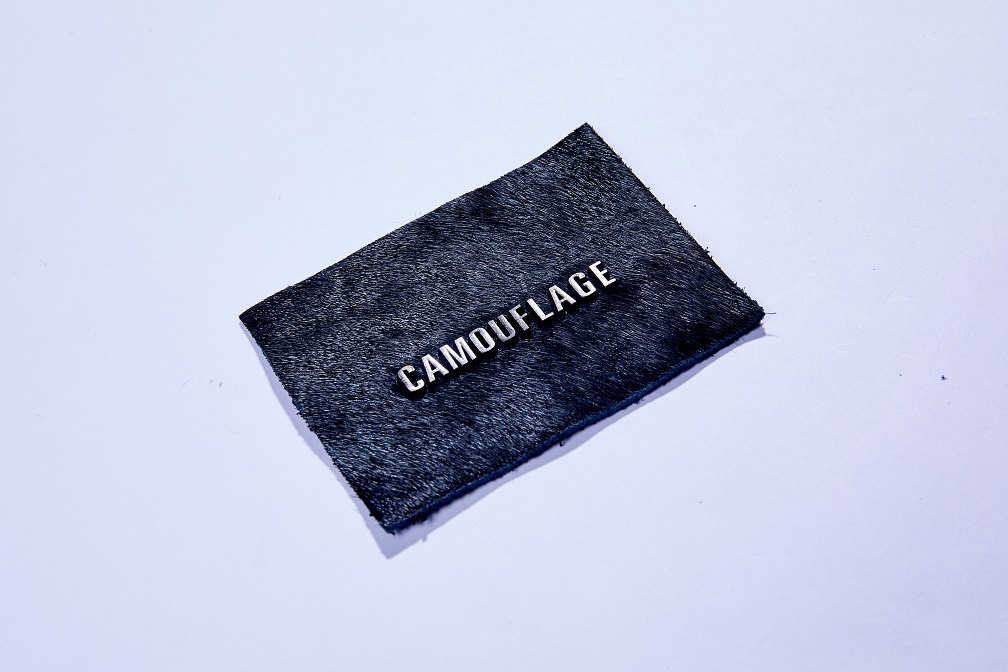
3. Horsehair
Horsehair patches have a natural rugged texture, giving them a unique and striking appearance. Horsehair is lightweight and soft to the touch, making them comfortable to wear, and they offer good breathability, suitable for summer use. Horsehair is a natural material that is biodegradable and environmentally friendly, often used in high-end brands and luxury items to add a touch of luxury. However, due to the scarcity of raw materials and complex processing, the cost is relatively high. Special care is needed to avoid contact with water and high temperatures, which could cause deformation or damage.
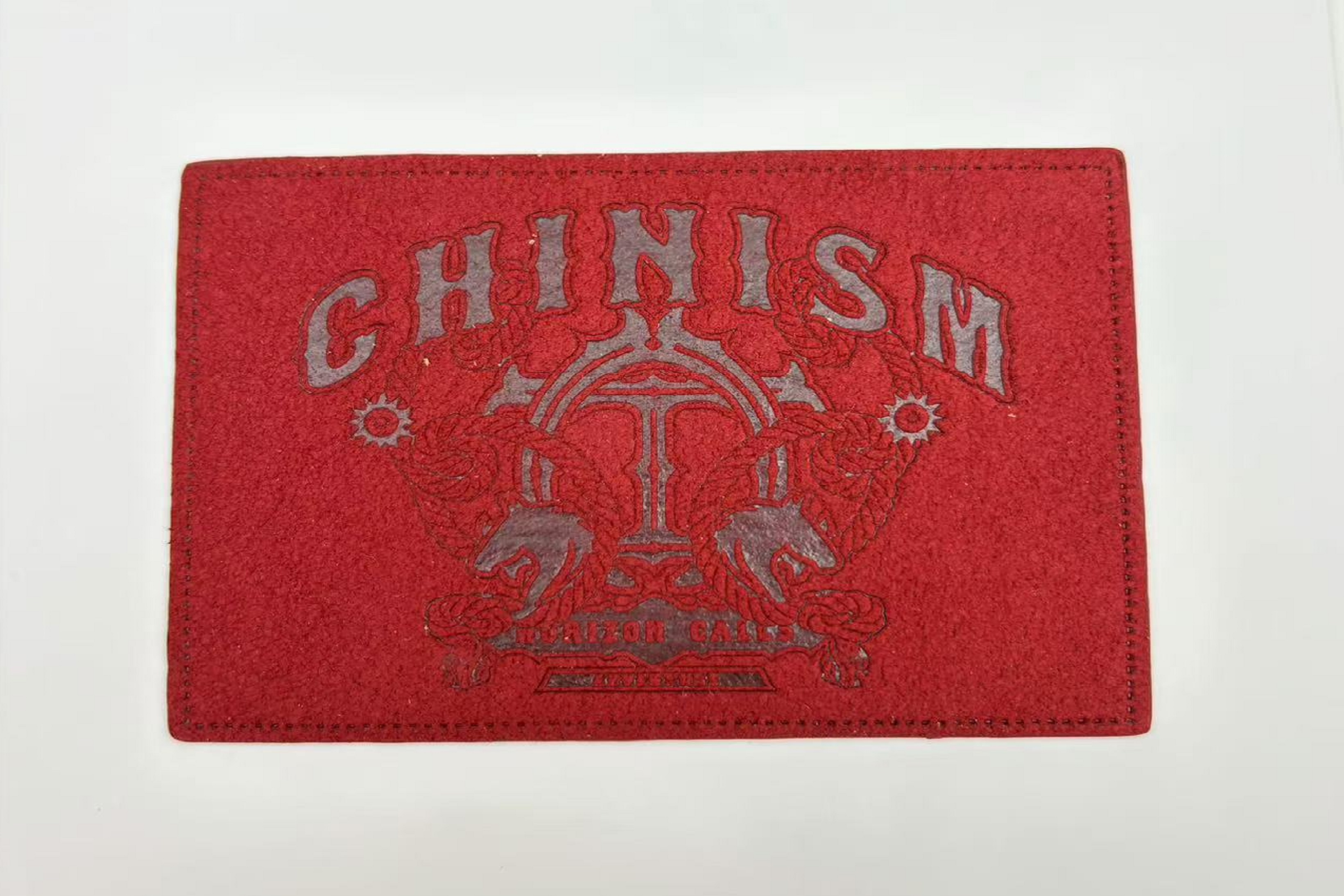
4. Ultra-suede
Ultra-suede patches simulate the texture of natural leather through advanced technology, offering a feel close to genuine leather. They are highly resistant to wear and tear, making them durable and long-lasting. Ultra-suede materials are made from eco-friendly materials, reducing harm to animals and meeting environmental standards. The smooth surface is easy to clean and maintain, and they resist fading. The manufacturing process allows for consistent texture and color, making them suitable for standardized production. Ultra-suede materials are moderately priced but cannot fully replicate the natural texture and unique grain of genuine leather.
Leather Patches in Apparel Trimmings: Quality in the Details
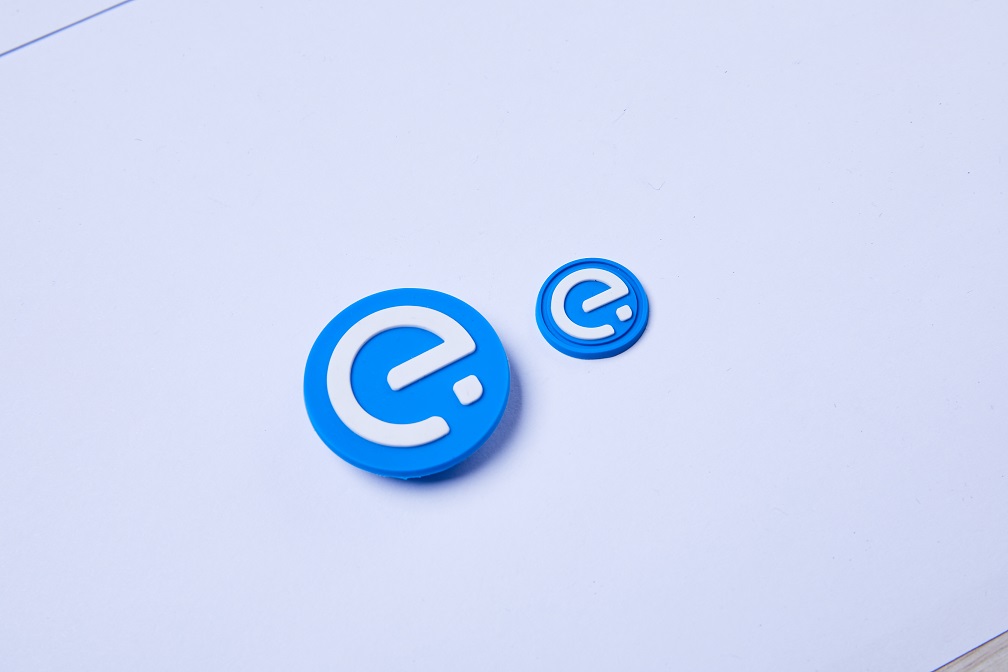
How to Distinguish Between Silicone, PVC, and TPU Labels?