How to Distinguish Between Silicone, PVC, and TPU Labels?
2024-09-14
In the world of manufacturing and retail, choosing the right material for product labels is crucial. Three popular materials used for creating durable and functional labels are Silicone Label, PVC Label, and TPU Label. Each material has its own set of advantages and is suited to different applications. Understanding how to distinguish between these materials can help in selecting the best option for your specific needs.
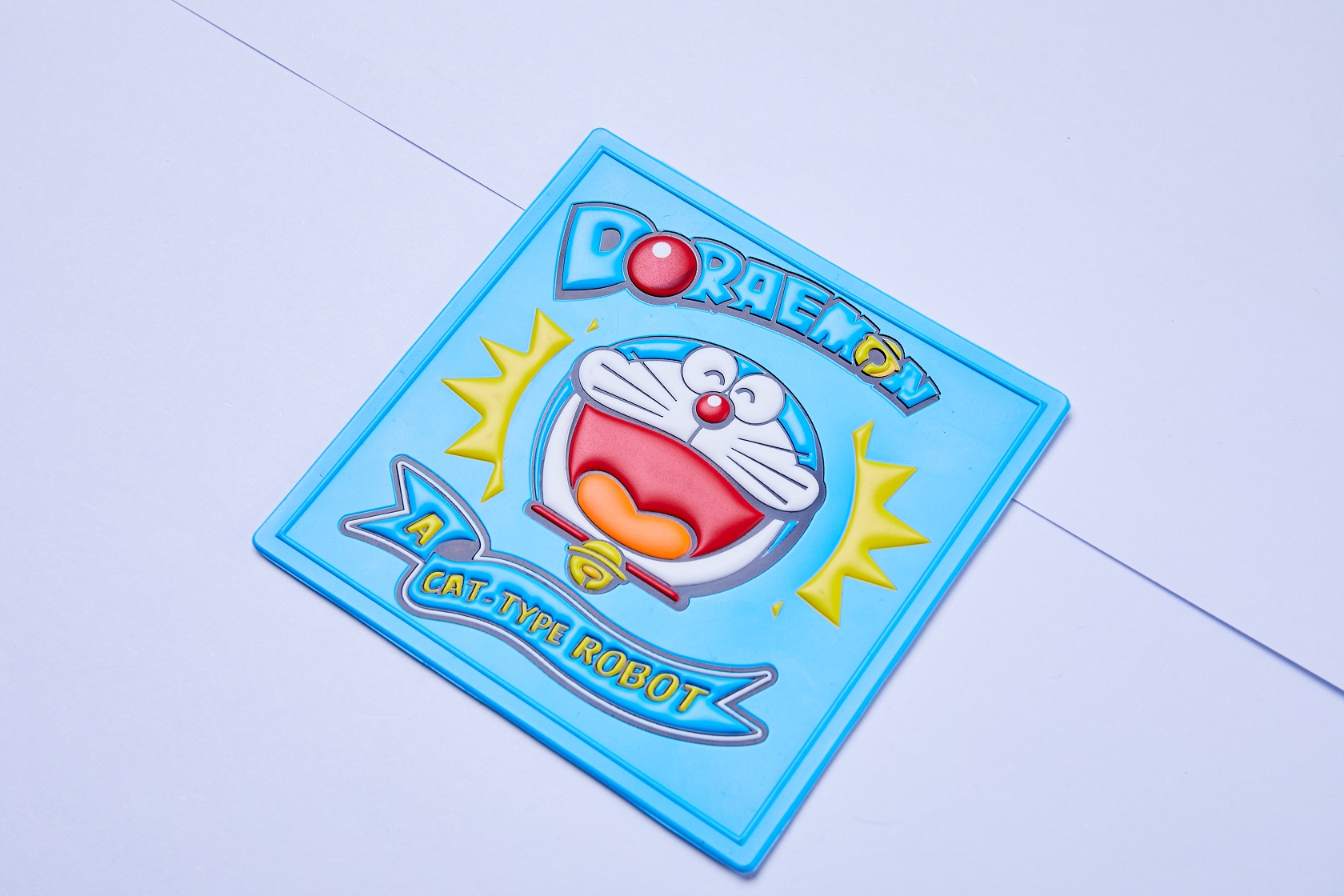
Material Properties
1. Silicone Labels:
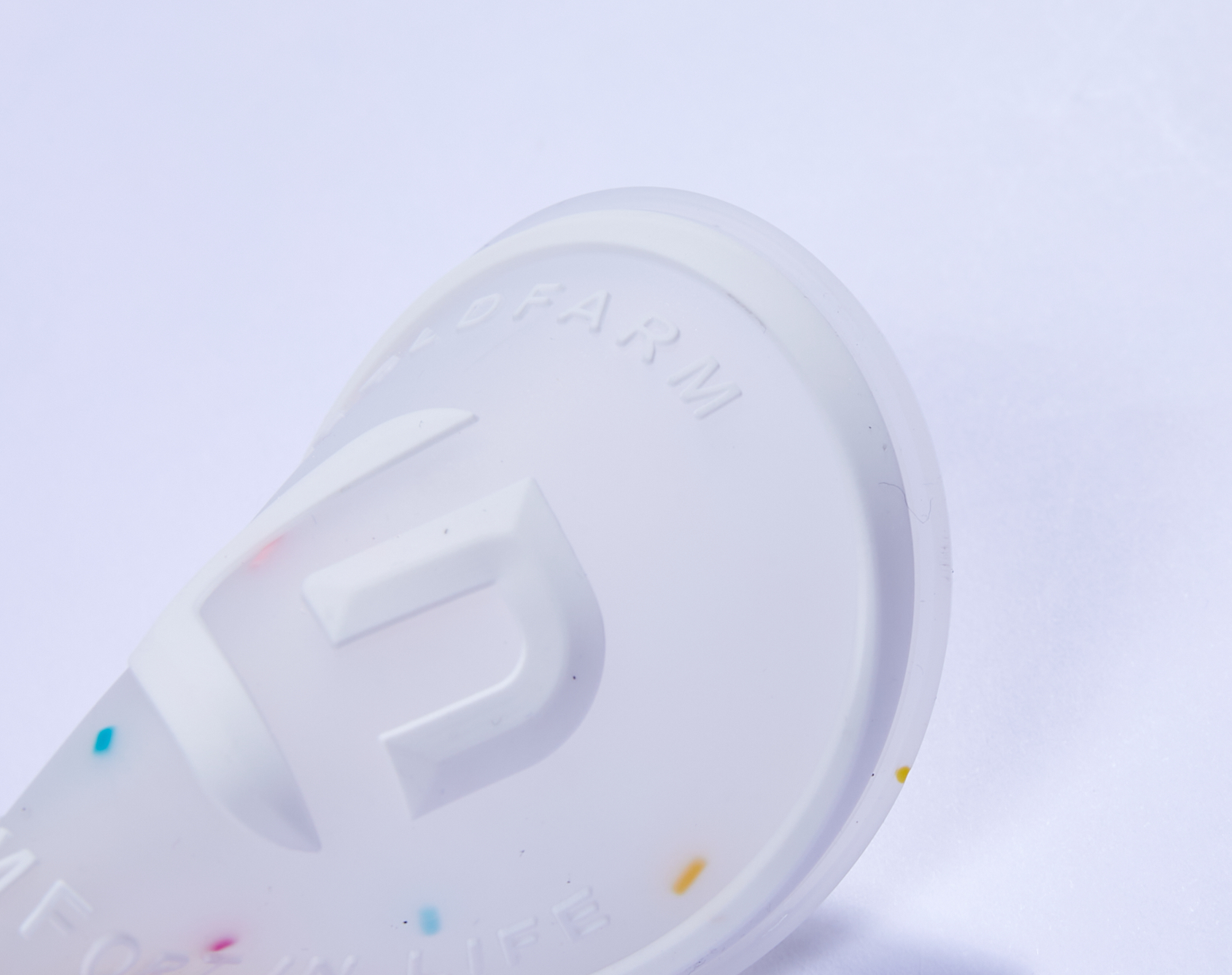
Feel: Silicone labels tend to feel softer and more pliable than both PVC and TPU. They are known for their flexibility and can stretch without losing their shape.
Heat Resistance: Silicone labels have excellent heat resistance and can withstand high temperatures without degrading.
Application: Often used in products requiring hypoallergenic properties, such as baby products or medical devices, due to their non-toxicity and skin-friendliness.
2. PVC Labels:
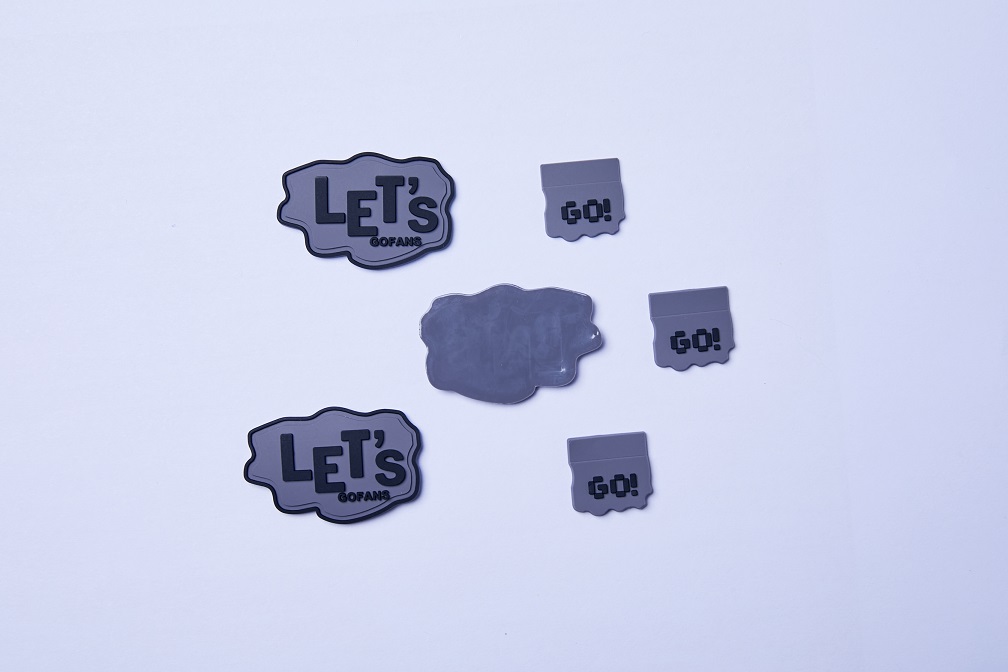
Feel: PVC labels are generally stiffer than silicone but can still be flexible depending on the thickness and additives used. They can sometimes feel slightly rougher to the touch.
Chemical Stability: PVC labels are resistant to many chemicals and can maintain their integrity under various environmental conditions.
Application: Commonly used in applications where cost-effectiveness and durability are important factors, such as general consumer goods or promotional items.
3. TPU Labels:
Feel: TPU labels strike a balance between the stiffness of PVC and the flexibility of silicone. They are known for their elastic properties and durability.
Resistance: TPU labels offer good resistance to oils, fats, and abrasion, making them suitable for rugged use.
Application: Often used in outdoor products, footwear, and automotive components where strength and resistance to wear are necessary.
Testing Methods
To further differentiate between silicone, PVC, and TPU labels, you can perform simple tests:
- Burning Test: Cut a small piece of the label and attempt to burn it. Silicone burns slowly with little smoke and a non-dripping flame. PVC burns with a greenish flame, produces a lot of smoke, and drips. TPU burns with a yellow flame and produces less smoke compared to PVC.
- Stretch Test: Stretch the material. Silicone will stretch significantly without tearing, while PVC will show limited stretchability. TPU will stretch but not as much as silicone and will recover its shape better.
- Temperature Exposure Test: Expose the labels to high temperatures. Silicone remains stable, while PVC may soften and deform, and TPU retains its shape but can become slightly softer.
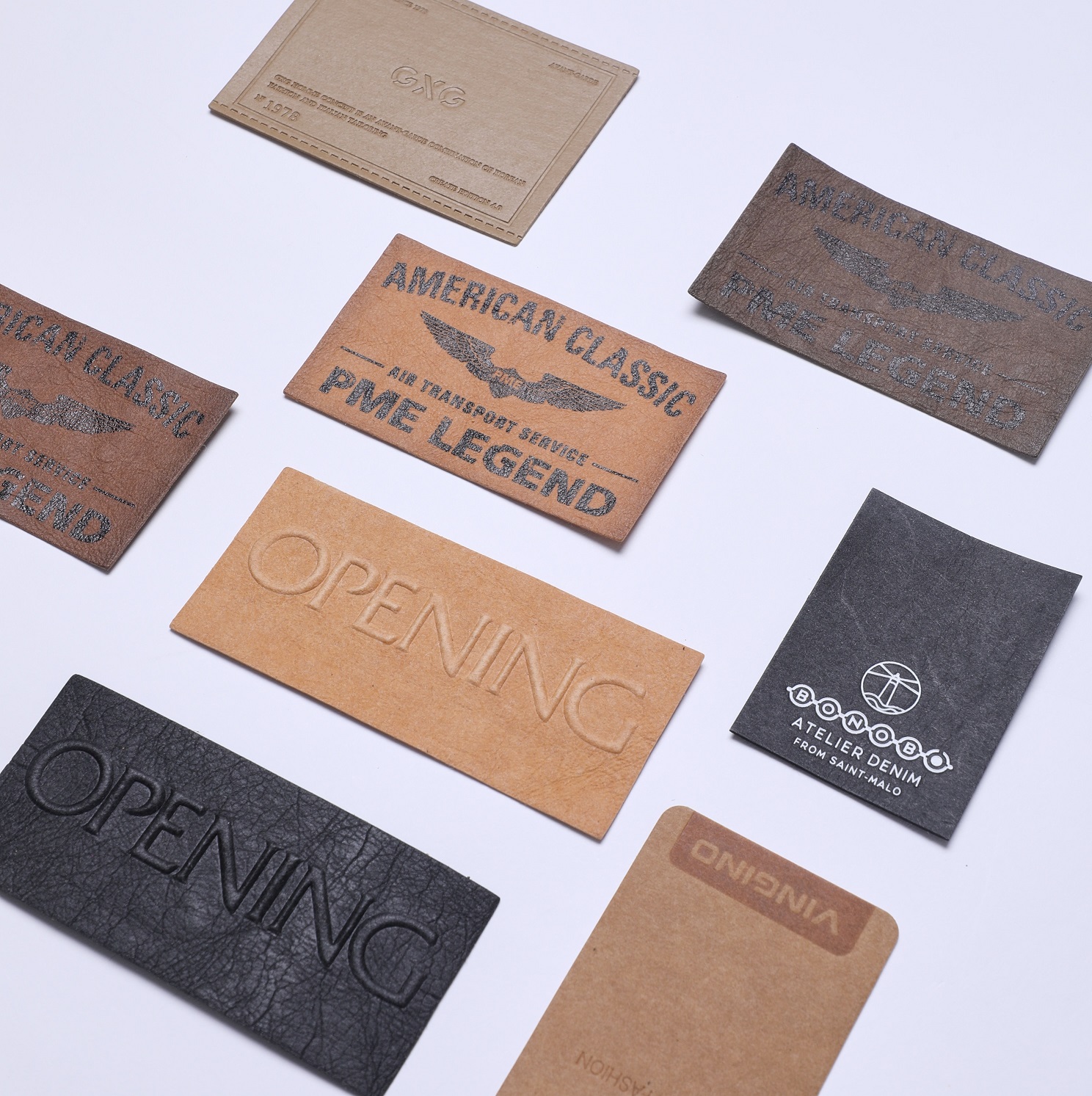
Types and choices of leather patches.